
If you’ve walked through Bingley North Bog recently, you may have noticed things looking rather different. A new path, young trees stand in neat rows along wire guards, and a handsome wooden bird hide have all appeared at the edge of the wetland. These are the tangible results of an ambitious restoration partnership that has been quietly transforming this remarkable site over the past year.
Bingley North Bog – a remnant of a 10,000-year-old peat bog and wetland – sits alongside the Leeds-Liverpool Canal, tucked between the A650 and one of its most celebrated stretches: the flight of locks that takes the canal up through Bingley, culminating in the famous Five Rise and Three Rise Locks. The bog is part of the Bradford Pennine Gateway National Nature Reserve, but it’s the story of how three very different partners came together to breathe new life into it that deserves its own telling.
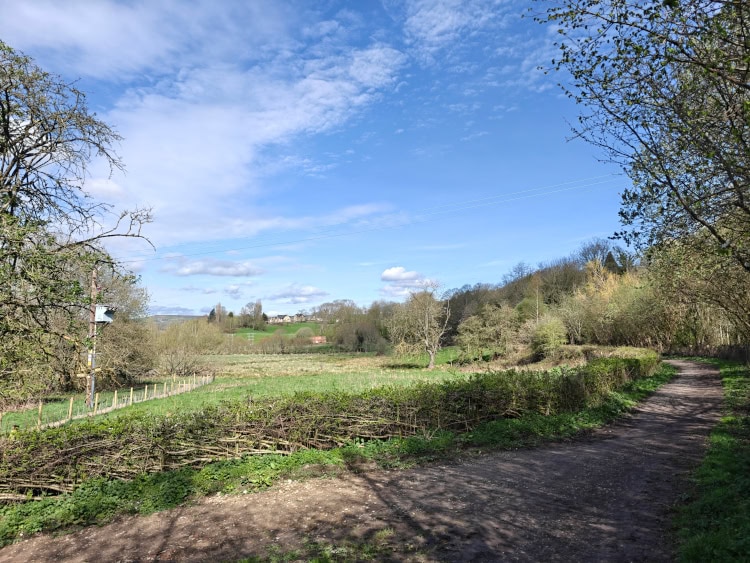
Bingley North Bog in spring — the meadow, scrub and wooded slopes that make it such a distinctive site on the urban fringe.
How it started
In August 2025, work began on a restoration programme funded through Project Rise, the philanthropic initiative of the Dawoodi Bohra community – a Muslim community with deep roots in Bradford. The project brought together Bradford Council’s Countryside Service and the Aire Rivers Trust, with volunteers from both the Bohra community and the Trust working alongside council specialists.
The initial phase focused on clearing overgrown paths, removing invasive species, and carrying out groundwork to improve access and habitat quality. It was unglamorous but essential work – the kind that rarely makes headlines but makes everything else possible.
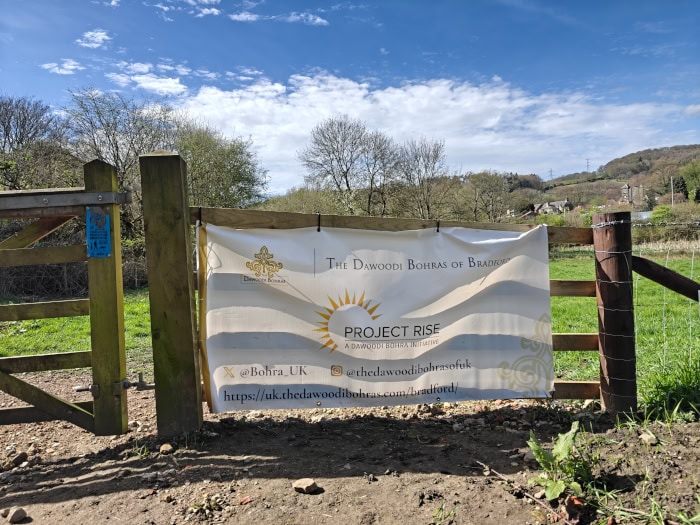
The Project Rise banner at the site entrance — a visible marker of the Dawoodi Bohra community's role in funding the restoration.
“Projects like this show what is possible when we work together. We are proud to partner with Bradford Council and the Dawoodi Bohra community to restore this vital habitat for both wildlife and people."
— Rachel Forsyth, CEO, Aire Rivers Trust
Why the Bohra community got involved
The Dawoodi Bohra community’s commitment to environmental stewardship is a central part of their identity. Their communities around the world have undertaken mangrove restoration projects in coastal regions, and the same philosophy brought them to Bingley North Bog. Raj Cochin, speaking on behalf of the Bradford Bohras, explained that peatlands – as the largest natural carbon store on land – were a natural focus: conservation and climate action are, for them, inseparable from community life.
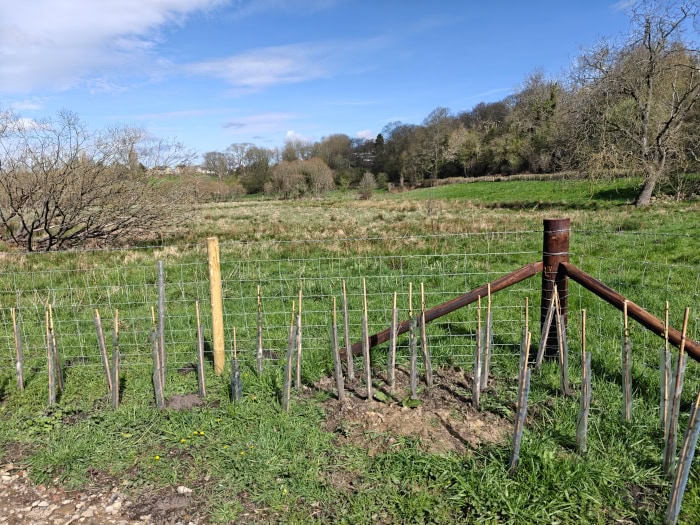
Around 1,000 native trees have been planted, each protected by wire guards as they establish along the new hedgerow corridor.
What's been done
By early 2026, the project had moved into its next phases. Around 1,000 native trees have been planted, with wire guards protecting the saplings as they establish along a new hedgerow corridor.
The planting will, in time, improve biodiversity and provide shelter and food for the wildlife the bog is known for – curlews, kingfishers, herons, dragonflies, and bats among them.
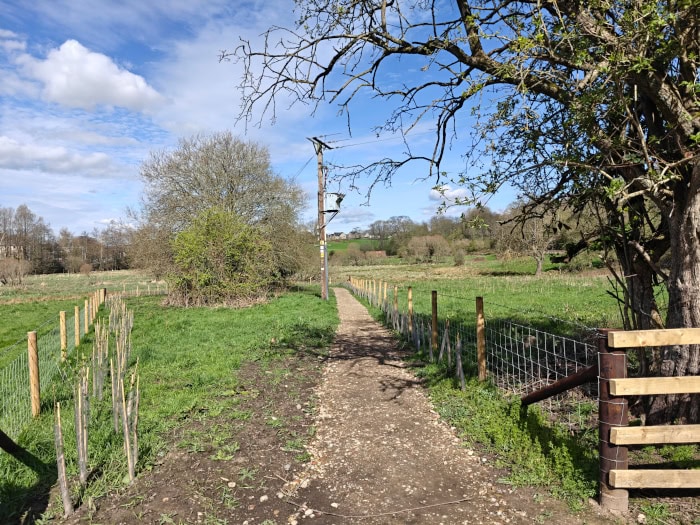
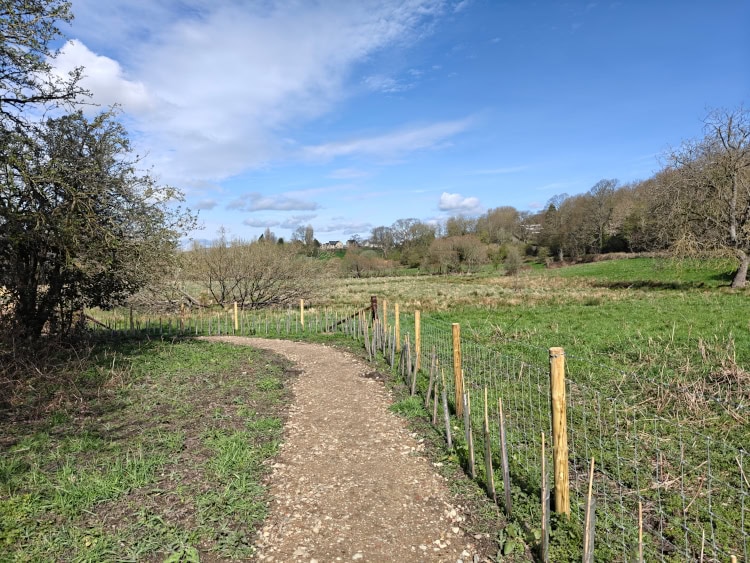
The restored and new paths now give visitors a firm, clearly defined route through the site without disturbing its most sensitive areas.
A new gravelled path now leads visitors through the site towards a bird hide constructed at the water’s edge. The hide itself is a solid, well-built structure of horizontal timber, with viewing slots at different heights that look out over the wetland and the wooded hillside beyond.
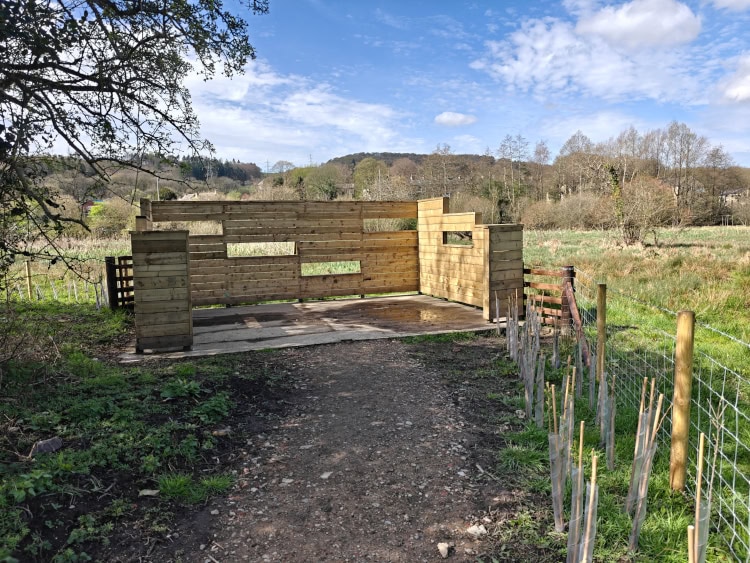
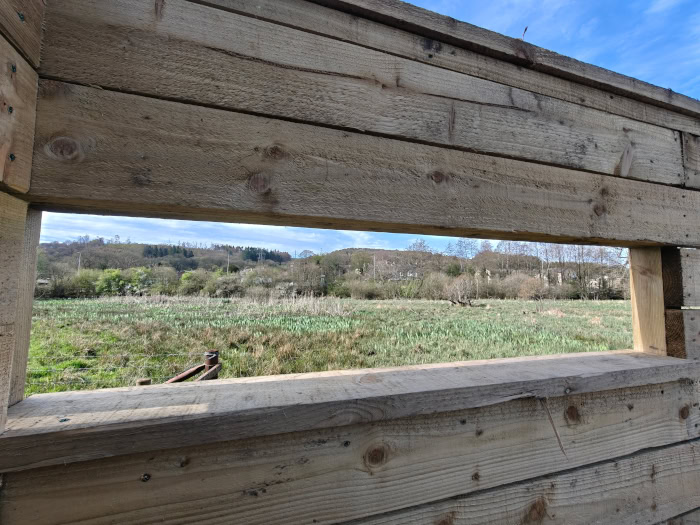
The new bird hide – simple, functional, and well-built – opens up a view across the bog that few visitors had easy access to before.
A model worth noting
What makes this project stand out isn’t just what’s been built or planted – it’s the way it came about. A faith community funding a nature reserve restoration, working alongside a council countryside team and a river trust, delivering real and lasting improvements for both wildlife and the local walking public. It’s an unusual combination, and a successful one.
Bingley is lucky to have it on its doorstep.
